


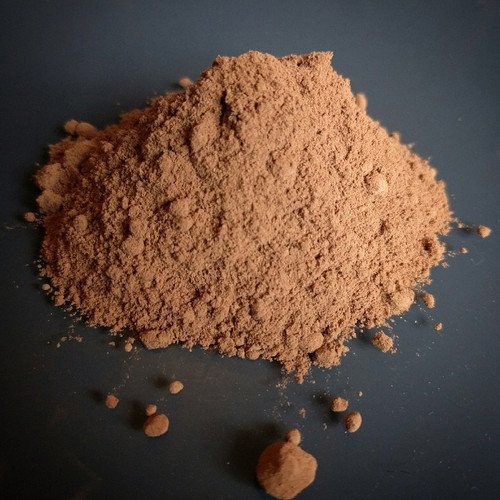
Description
Organic 10/12 Cacao Powder – Pure Flavor & Balanced Fat in 25 kg Bags
Bulk cocoa powder 25kg bag is commonly sold in bulk as a 25 kg bag (which is about 55 pounds). If you are sourcing cocoa powder for commercial use, you’ll likely encounter this standard packaging. A 25 kg bag of cocoa powder is usually a multi-wall kraft paper bag with an inner plastic liner to keep the cocoa dry and freshmtroyal.com.tr.
Some suppliers use sturdy polypropylene woven bags with a lining, or corrugated boxes for cocoa powder – but the 25 kg net weight is a constant in the industry because it’s a manageable weight for handling and a convenient amount for batching in production. Buying cocoa powder in a 25 kg bulk bag has several advantages. First, cost savings – you get a much lower price per kilogram than buying retail sizes.
Second, convenience for manufacturing – if your recipe uses, say, 5 kg of cocoa, a single bulk bag can supply several batches without a lot of packaging waste or opening numerous small containers. It also ensures that a large portion of your production uses cocoa from the same lot, aiding consistency.
Packaging Details and Labeling
Packaging details: A typical 25 kg cocoa powder sack is well-sealed to be moisture-proof. Cocoa powder must be kept dry to avoid clumping or microbial issues. The bags often have a polyethylene inner layer for this reason. The exterior is usually heavy paper which allows stacking and breathing to some extent (to avoid condensation). These bags are usually marked with product details: type of cocoa (natural or alkalized), fat content, lot number, and origin or supplier code. In some cases, especially for high-end or specialized cocoa, a 25 kg “bag” might actually be a box – some suppliers pack cocoa powder in food-grade plastic bags inside a cardboard box. Regardless of bag or box, 25 kg net is the norm.
Handling and Storage Guidelines
When you receive a 25 kg bag, it’s advisable to transfer the cocoa powder to a proper storage bin after opening if you won’t use it all quickly. Many bakeries pour the bag into a large airtight plastic barrel or bin (food grade) that can be sealed. This makes scooping easier and protects the cocoa from humidity and pests after the bag is opened. If you have to keep it in the original bag, you can roll down the top tightly and secure it (some use large bag clips or tape) and then perhaps put the whole bag in a secondary container or heavy-duty plastic bag as extra protection.
Properly stored, cocoa powder in 25 kg bulk can last a long time – typically at least 2 years shelf life if kept cool and dryebay.com. Many suppliers print a best-before date on the bag; adhere to that for quality.
Handling 25 kg bags: Keep in mind, 25 kg is a substantial weight. Use safe lifting practices or a partner if needed when moving the bags. In a production setting, you might have a designated ingredient storage area with shelving or pallets for these bulk bags. Some operations with high throughput might even have a dispensing system – e.g. they’ll empty bags into a dispenser bin that can release measured amounts. But for most, manually scooping from the bag or bin is standard.
Cocoa powder can be messy (fine particles can puff into the air), so when opening a fresh 25 kg bag, do it gently. Some people cut a corner of the inner liner and carefully pour or scoop to prevent big dust clouds of cocoa. It’s also wise to wear a mask or ensure good ventilation if you’re handling many bags, because inhaling cocoa dust is not pleasant (and can cause coughing).
Industry Standard and Benefits of 25 kg Bags
Why 25 kg? The industry settled on this size as it’s half of a 50 kg sack (which is common for commodities like flour or sugar). 50 kg was deemed too heavy to be easily handled by one person and could risk product waste if not used timely. So 25 kg offers a balance. It’s also exactly 55.115 lbs, aligning with some global packaging standards. In Europe, you might also see 20 kg bags (especially for certain high-fat cocoas or specialty products), but 25 kg is more prevalent.
In the US, sometimes they’ll refer to it as a “50 lb bag” even though 25 kg is 55 lbs – in those cases it’s usually actually 50 lbs net (so slightly under 25 kg). Always check the net weight on the packaging to be sure. Many suppliers catering to international markets just use 25 kg for simplicity.
Benefits of bulk 25 kg bags: As mentioned, cost is a major benefit. For example, buying a single 25 kg bag might cost, say, $100, whereas if you bought the equivalent in 1 kg retail packs, you might pay $300 or more. Less packaging waste is another – one big bag vs 55 little bags is far more eco-friendly and efficient. Additionally, when you buy in these larger units, you often get cocoa powder from one production batch, which ensures uniform color and flavor.
If you were using many small packs, you might inadvertently mix slightly different batches. Bulk bags avoid that, giving you consistency (at least until you finish that bag and open a new one, which ideally is similar if from the same supplier/spec).
In logistic terms, a pallet of cocoa powder often contains 40 bags of 25 kg (total 1000 kg or 1 metric ton). Smaller orders can be by the bag or a few bags. Always store cocoa powder off the ground (on a pallet or shelf) and in a cool, dry area away from strong odors. Cocoa powder can absorb odors (it’s like a sponge for aromas), so you don’t want it near chemicals, spices, or anything with a volatile smell. Keeping it sealed in its bag with the liner helps, but environmental odors can still permeate over long periods.
In conclusion, purchasing cocoa powder in 25 kg bulk bags is the standard way for businesses to obtain it, providing economic and practical advantages. By understanding how to handle and store these bags, you can integrate them smoothly into your production process and ensure your cocoa powder remains fresh and high quality from the first scoop to the last.
FAQ
Q: I don’t use cocoa powder very fast – will a 25 kg bag go bad before I finish it?
A: If stored correctly, cocoa powder has a long shelf life (often 2 years or more)ebay.com. It doesn’t really “go bad” in terms of safety; it’s too low in moisture to support microbial growth. However, it can slowly lose flavor intensity and aroma over time. If you’re a small operation or home baker considering a 25 kg bag, think about usage. 25 kg is 55 lbs – that’s a lot of cocoa (roughly 100+ cups of cocoa powder).
If you only use a cup a week, that bag could last you 2 years, which is borderline for freshness. The powder might still be usable but perhaps not as fragrant at the end.Shorten with AI
One strategy if you’re concerned: upon receiving the bag, divide the cocoa into smaller airtight containers (e.g., 5 kg buckets or even zip-top bags) and freeze or refrigerate some of it. Cocoa powder can be refrigerated or frozen to prolong flavor – just ensure it’s in a truly airtight container and bring it to room temp before opening (to avoid condensation).
Many find that cocoa kept in cool, dark pantry conditions is fine for well over a year. If you notice the cocoa has lost potency (less chocolaty aroma), you might need to use a bit more in recipes to achieve the same flavor. In summary, as long as you’re going to use it up within say 18-24 months and store it properly, a 25 kg bag is usually still cost-effective even for slower usage. For extremely slow use, consider splitting a bag purchase with someone or sticking to smaller sizes to ensure peak freshness.
Q: Are there different types of cocoa powder available in 25 kg bags (e.g. black cocoa, organic cocoa)?
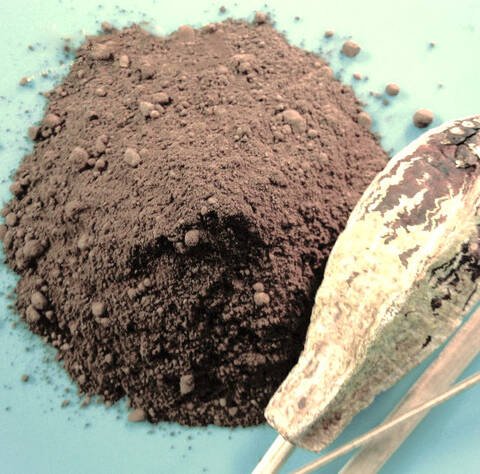
A: Yes, wholesale packaging extends to various cocoa powder types. Black cocoa, which is a heavily alkalized cocoa powder used for giving an almost charcoal-black color (commonly in Oreo-type cookies), is often sold in bulk 25 kg. You can find it from suppliers in that size. Organic cocoa powder also comes in 25 kg sacks – often clearly labeled as organic, sometimes with a green strip or marking on the bag and the organic certification details. Low-fat (10-12%) vs high-fat (22-24%) cocoas are both available in 25 kg. So are natural vs Dutched.
Essentially, any industrial-grade cocoa that processors produce will be packed in these bulk units for sale. When you place an order, you’ll specify which kind you want. For example, you might order “1 × 25 kg bag Natural Cocoa Powder 10/12” and “2 × 25 kg bags Dutch Cocoa Powder 22/24”. Each will come in its own sack. If you need a variety (say, a standard Dutch and a black cocoa), you might have to order separate bags of each type.
Some specialty suppliers break bulk – e.g., selling 5 kg bags of black cocoa if you don’t need a full 25 kg – but generally, 25 kg is the unit even for niche cocoas. Be sure to store each type separately and clearly labeled to avoid mix-ups. And when using, note that different cocoas are not 1:1 identical in strength; for instance, black cocoa is quite mild in chocolate flavor (used mostly for color), so recipes often use a blend of regular Dutch and black. If you stocked both in bulk, you’ll likely use far more of the regular than the black. Plan your purchase quantities accordingly.
Q: How do I open and dispense from a 25 kg cocoa powder bag without making a mess?
A: Cocoa powder is very fine and can puff everywhere if not careful. Here are some tips:
-
Gently lay the bag on its side or at a slight angle when opening, rather than standing upright. This prevents powder from suddenly billowing out.
-
Use a utility knife to cut a neat opening in the top of the bag (if it’s paper). Some bags have a stitched paper top – you can try to undo the stitching, but often cutting is easier. Cut open the outer bag and then the inner plastic liner carefully. Make the opening just large enough to insert your scoop or to pour, not the entire top ripped off. A smaller opening gives you more control.
-
If pouring into another container, do it slowly and perhaps outdoors or in a ventilated area. Cocoa “dust” can stain and is hard to clean from floors/counters (it’s powdery and hydrophobic, so wiping with water can smear it). It’s best to use a dry method: a vacuum or sweeping with a dry towel for spills.
-
Wear a dust mask if you’re sensitive; cocoa dust isn’t toxic but can cause coughing or irritation if a lot is inhaled.
-
After opening, if you plan to keep it in the bag, squeeze out excess air from the liner and fold it down. Clip or tape it tightly, then perhaps fold the paper bag over as well. Some bakers then put the whole bag into a large plastic bin with a lid for double protection.
-
To dispense without mess, you might scoop the cocoa with a large scoop or even use the bag like a “dispenser”: carefully tilt and pour a controlled stream into your weighing bowl. Go slow – cocoa can avalanche out. Some people cut a corner of the bag to create a spout (this works well if you’re transferring to another container – you then have like a pour spout).
Overall, working with bulk cocoa gets easier with practice. The key is deliberate, slow movements and containing the powder as much as possible. If you do get a cloud, let it settle rather than frantically trying to wipe it (which can actually grind it into surfaces). And of course, chocolate-colored countertops hide cocoa dust much better than white ones! In a professional setting, many just accept a bit of cocoa on surfaces as part of the job (end of day cleaning takes care of it).

Reviews
There are no reviews yet.